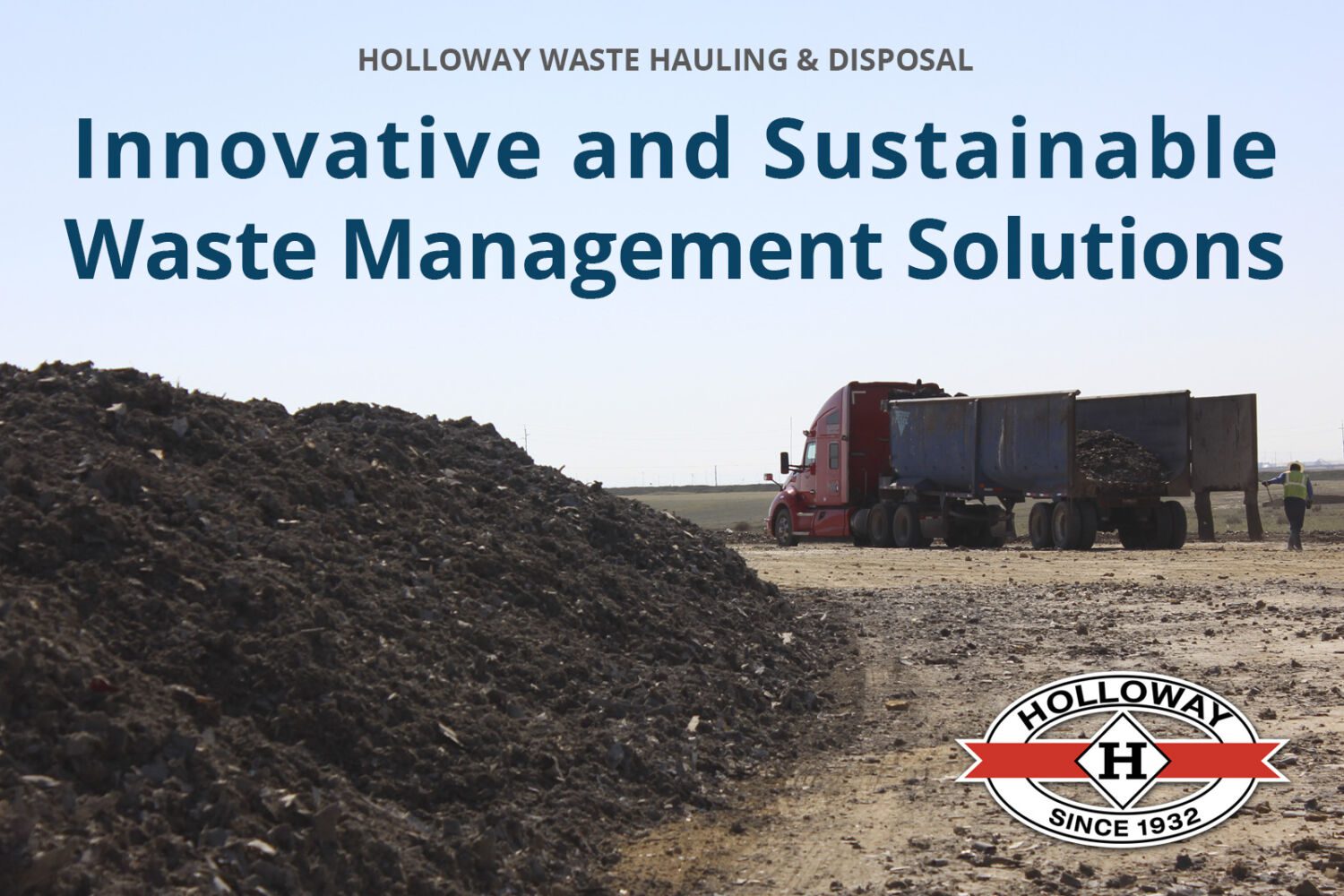
Did you know: Holloway can haul and dispose of more than 35 different types of materials and waste streams?
Headquartered in Bakersfield with a landfill that’s centrally located in Lost Hills, Calif., Holloway Environmental is the partner you can count on for your waste management needs.
Here’s a look at some of the materials Holloway currently handles, but for more information fill out the form on this page to discuss with our local environmental and logistics experts…
Contact us to discuss your project today:
| Almond shells/hulls | Drill cuttings |
| Asphalt grindings | Fly Ash (cogeneration ash) |
| Auto shredder waste | Granulated silica |
| Biosolids (Class A and B) | Gravel |
| Brick | Green material |
| Clay | Industrial sand-based waste |
| Clean asphalt | Lime filter cake |
| Combination rock | Non-compostable winery pulp/waste |
| Compost | Non-friable asbestos* |
| Compost-derived waste | Pistachio shells/hulls |
| Concrete | Poultry waste (non-manure) |
| Construction and demolition | Sand blast media (spent) |
| Contaminated sediment | Shredded polyvinyl chloride (PVC) pipe |
| Dead animals | Silt |
| Destructed cannabis/ marijuana (including consumables) | Slag |
| Digestates | Wastewater grit |
| Dirt | Wastewater sloughing |
* Minimum tonnage may be required.
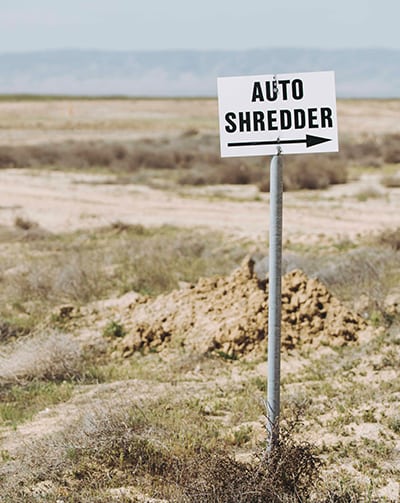
Auto Shredder Waste is the shredding of scrap metal (e.g., end-of-life vehicles) results in a mixture of recyclable materials (e.g., ferrous metals and nonferrous metals) and non-recyclable material (i.e., metal shredder waste). Aggregate is generated after the initial separation of ferrous metals, and consists of nonferrous metals which can be further recovered and metal shredder waste. Metal shredder waste consists mainly of glass, fiber, rubber, automobile fluids, dirt and plastics found in automobiles and household appliances that remain after the recyclable metals have been removed.
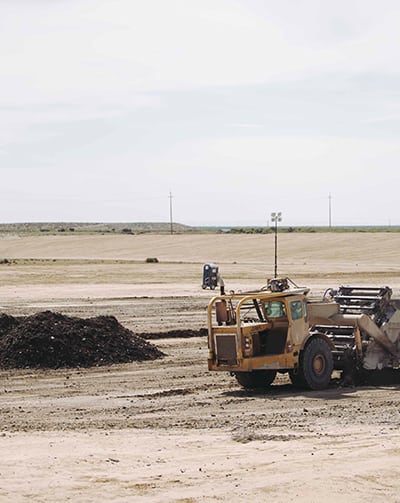
Biosolids/sewage sludge is a solid, semi-solid, or liquid residue generated during the treatment of domestic sewage in a treatment works. Sewage sludge includes scum or solids removed in primary, secondary, or advanced wastewater treatment processes and any material derived from sewage sludge (e.g., a blended sewage sludge/fertilizer product) but does not include grit and screenings or ash generated by the firing of sewage. When properly treated and processed, sewage sludge becomes biosolids which are nutrient-rich organic materials produced from wastewater treatment facilities. Biosolids can be recycled and applied as fertilizer to improve and maintain productive soils and stimulate plant growth.
Fly ash is the finely divided residue that results from the combustion of pulverized coal or wood and is transported from the combustion chamber by exhaust gases.
Fly ash is produced by coal-fired electric, wood burning and steam generating plants. Typically, coal is pulverized and blown with air into the boiler’s combustion chamber where it immediately ignites, generating heat and producing a molten mineral residue. Boiler tubes extract heat from the boiler, cooling the flue gas and causing the molten mineral residue to harden and form ash. Coarse ash particles, referred to as bottom ash or slag, fall to the bottom of the combustion chamber, while the lighter fine ash particles, termed fly ash, remain suspended in the flue gas. Prior to exhausting the flue gas, fly ash is removed by particulate emission control devices, such as electrostatic precipitators or filter fabric baghouses.
Lime filter cake is a loose granular calcium carbonate solid that is used in bulk form within water clarifier or filtration systems of the oil field production systems.